US iGaming Expansion Hits Lowest Pace on Record as Sports Betting Holds Its Ground
Written by Morgan Perry · Nov 7, 2026
US iGaming Expansion Hits Lowest Pace on Record as Sports Betting Holds Its Ground
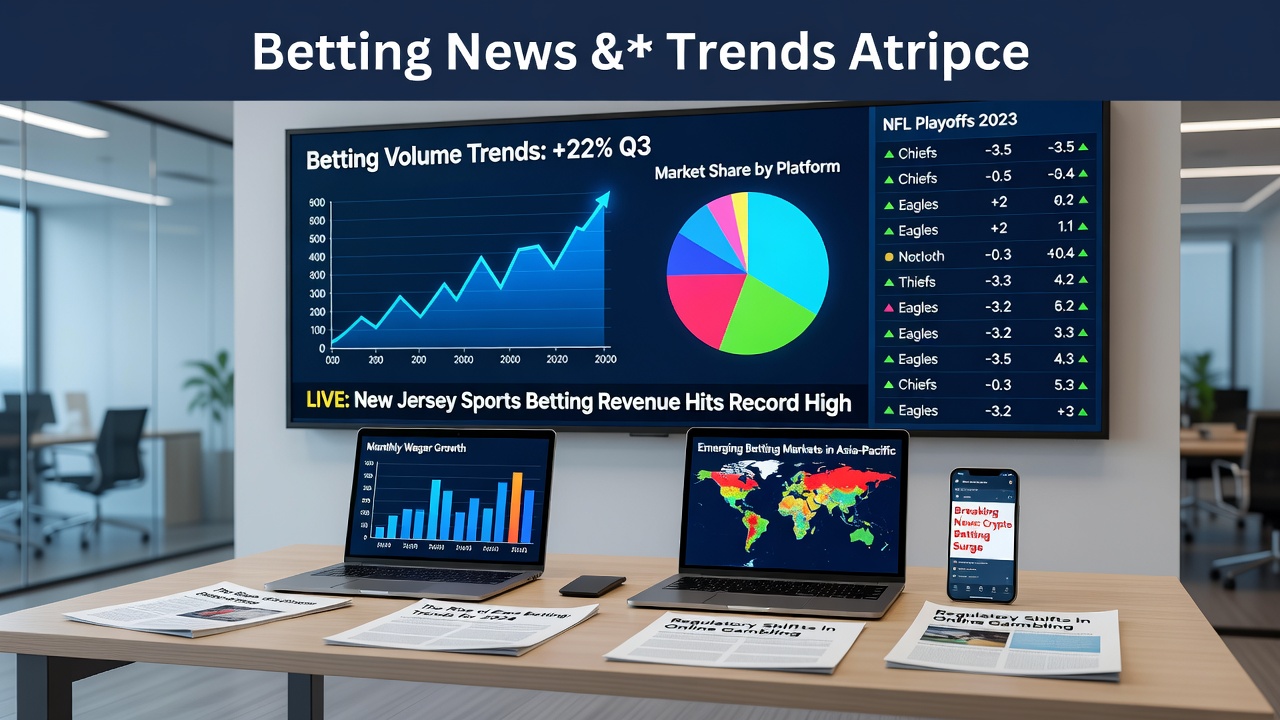
Data released in late October 2026 revealed that US iGaming revenue growth slowed to 12% year-over-year during the third quarter, marking the slowest pace analysts have tracked to date, and this figure came down from 19% in the first quarter along with 16% in the second quarter while sports betting handle expanded by 7% over the same period.
Analysts noted that same-store handle in sports betting rose 1% during September, which stood as its strongest monthly growth outside of periods affected by the World Cup, and major operators including DraftKings and FanDuel retained their leading market positions with only minor share adjustments occurring across the quarter.
Breakdown of iGaming Revenue Trends
Figures compiled for the third quarter showed iGaming operators facing a clear deceleration after stronger expansion earlier in the year, and this slowdown aligned with broader patterns where mature markets contributed less incremental revenue compared to previous periods. Observers pointed out that the 12% growth rate represented a notable drop from the double-digit gains seen in the first half of 2026, yet total revenue still increased on an absolute basis because the underlying market base had grown substantially over prior years.
Regional variations played a role in the overall picture, with some states maintaining steadier contributions while others experienced flatter performance, and industry participants tracked these shifts closely as they prepared for the remainder of the year. The September 2026 Mid-Month Online Gaming report provided additional monthly context that helped clarify how September specifically influenced the quarterly outcome.
Sports Betting Handle Performance
Sports betting activity delivered more consistent results during the quarter, and the 7% year-over-year increase in handle reflected ongoing participation across both mobile and retail channels. Same-store metrics improved by 1% in September, which stood out because it occurred outside months influenced by major international tournaments such as the World Cup, and this stability suggested that core user engagement remained resilient even as iGaming growth moderated.
Operators continued to benefit from regular-season sports calendars that kept betting volumes elevated, while promotional activity and product enhancements helped sustain interest without requiring dramatic market expansion. Data indicated that handle growth stayed within expected ranges for a maturing segment, and analysts compared the 7% figure favorably against earlier quarters where similar patterns had emerged.
Operator Market Positions and Share Dynamics
DraftKings and FanDuel maintained their dominant positions throughout the quarter, and only small percentage-point movements occurred among secondary operators that competed for remaining market share. These minor shifts reflected typical competitive adjustments rather than large-scale realignments, and both leading companies reported stable user bases alongside consistent revenue contributions from their respective platforms.
Market observers tracked these developments through publicly available reports and regulatory filings, which showed that established brands continued to capture the majority of new deposits and active wagering activity. Smaller operators focused on niche offerings or regional advantages in certain states, yet their overall impact on national figures remained limited during this period.
Prediction Markets and Competitive Landscape
Prediction markets received attention in the same reporting cycle, and analysts determined that these platforms did not pose a significant threat to traditional sportsbooks during the third quarter. Data showed limited overlap in user activity and wagering volume between the two categories, which allowed conventional operators to maintain focus on core product development without immediate pressure from alternative betting formats.
Industry participants noted that regulatory distinctions and user preference patterns continued to separate the segments, and this separation helped keep traditional sportsbooks insulated from any measurable impact. The assessment came at a time when broader discussions about market structure were underway ahead of the November 2026 period, although no major changes had materialized by the end of the quarter.
Context for November 2026 and Forward Outlook
With the third-quarter results now available, market participants turned their attention toward November 2026 activity that would feed into fourth-quarter totals, and early indicators suggested sports betting volumes could receive a seasonal lift from football schedules and other events. iGaming operators, meanwhile, prepared for potential year-end promotions while monitoring whether the 12% growth rate would persist or show signs of stabilization.
Regulatory filings and operator earnings releases scheduled for later in the year were expected to provide further detail on how the slowdown in iGaming interacted with steady sports betting performance, and stakeholders planned to use these updates to refine forecasts for 2027. The combination of moderated iGaming expansion and resilient sports betting handle created a balanced picture for the sector overall.
Conclusion
The third-quarter 2026 data illustrated a maturing US online gaming market where iGaming growth reached its slowest recorded pace at 12% year-over-year while sports betting handle advanced 7%, and leading operators preserved their positions amid minor competitive adjustments. Prediction markets showed no substantial encroachment on traditional sportsbooks, which left room for continued focus on established offerings as the year progressed into November and beyond.