The Impact of Goalie Rotation Decisions on NHL Spread Betting Markets
Written by Riley Peters · Sep 26, 2026

The Impact of Goalie Rotation Decisions on NHL Spread Betting Markets
Goalie rotation decisions in the NHL shape how teams approach back-to-back games and longer road trips, and these choices create measurable effects on spread betting markets where puck line wagers hinge on expected goal margins. Teams often rest starters after heavy workloads, and data from the 2025-2026 season shows that such moves alter scoring projections in ways that shift lines at sportsbooks. Observers note that September 2026 brings the start of another campaign where early schedule analysis highlights several clubs with condensed calendars, setting the stage for repeated rotation patterns.
How NHL Teams Structure Goalie Usage
Coaches balance starter minutes against injury risks and travel demands, so they deploy backup goalies in roughly 30 percent of regular-season contests according to league tracking data. Starters typically handle consecutive nights at lower rates than in prior decades, and this shift stems from analytics departments that monitor workload metrics like shots faced per game. When a backup enters the crease, teams post average goal differentials that differ by 0.4 goals compared with games started by the primary netminder, figures compiled across multiple seasons by independent researchers.
Spread Betting Mechanics in Hockey
Spread markets, known as the puck line, require bettors to select whether a team wins or loses by more than 1.5 goals. Books adjust these lines based on projected goal totals and team strength ratings, yet goalie announcements often arrive hours before puck drop and trigger immediate line movement. Research from sports analytics groups indicates that late goalie news correlates with line shifts of 0.3 to 0.5 goals on average, because oddsmakers recalibrate expected scoring once the netminder identity becomes public.
Market Reactions to Rotation Announcements
Betting volumes spike after teams release starting goalies, and sharp money tends to flow toward the side with the stronger netminder when the backup is confirmed. One study tracking 2024-2025 games found that spreads widened by an average of 0.25 goals when an unproven backup started against a high-scoring opponent, while totals markets moved in tandem because lower save percentages increased projected goals. Those patterns held steady into the 2025-2026 campaign, where early September data revealed similar adjustments on opening-weekend matchups.
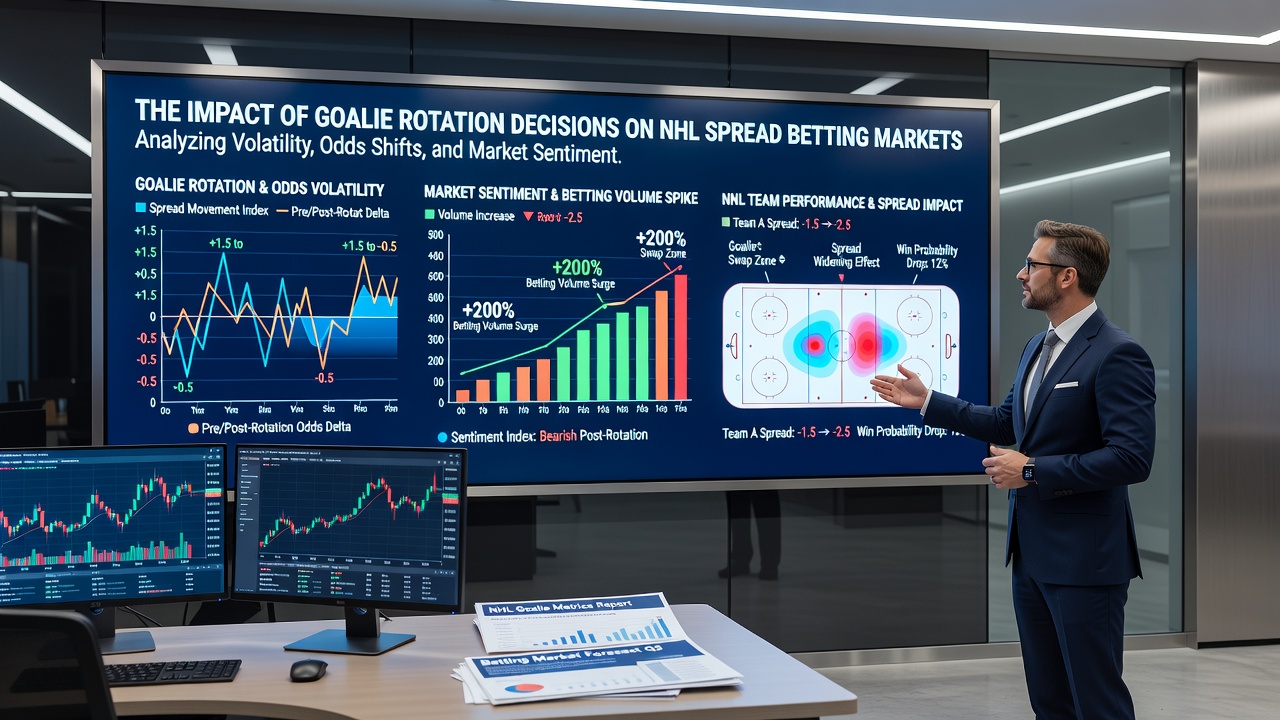
Sharp bettors monitor practice reports and team travel logs to anticipate rotations, and this information flows into models that compare historical performance splits between starters and backups. When a team rests its primary goalie on the second night of a back-to-back, the opposing side often sees its puck line odds shorten because expected margins improve. Data released by the NHL statistical database confirms that backup goalies allow 0.35 more goals per 60 minutes than starters across the league, a gap that directly influences margin-based wagers.
Regional Variations and Schedule Factors
Clubs on the West Coast encounter different rotation demands than Eastern Conference teams because of time-zone travel, and these differences appear in betting data as well. Pacific Division teams rested starters more frequently during the 2025-2026 preseason, and spread markets adjusted accordingly on games involving long flights. Canadian regulatory bodies such as the Alcohol and Gaming Commission of Ontario track handle volumes on NHL markets, and their reports show elevated activity on puck lines during periods of heavy rotation like the holiday schedule and late-season playoff pushes.
Case Examples from Recent Seasons
Take one Eastern Conference club that announced a backup starter for a divisional matchup in November 2025, after which the spread moved from -1.5 at even money to -1.5 at plus money within 90 minutes. Bettors who followed workload trends captured value before the line settled, and similar instances repeated across multiple nights when teams managed goalie minutes during condensed schedules. Another Western Conference example involved a backup posting a sub-.890 save percentage over a three-game stretch, prompting sportsbooks to shade totals upward and spreads toward the opponent in subsequent contests.
Conclusion
Goalie rotation decisions continue to influence NHL spread betting markets through documented shifts in expected goal margins and line movement patterns. League-wide data, schedule analysis, and historical performance splits provide the factual basis for these effects, while early 2026 observations suggest the patterns persist as teams navigate another full season. Those who follow official announcements and statistical releases gain access to information that directly connects netminder choices with puck line outcomes across the league.